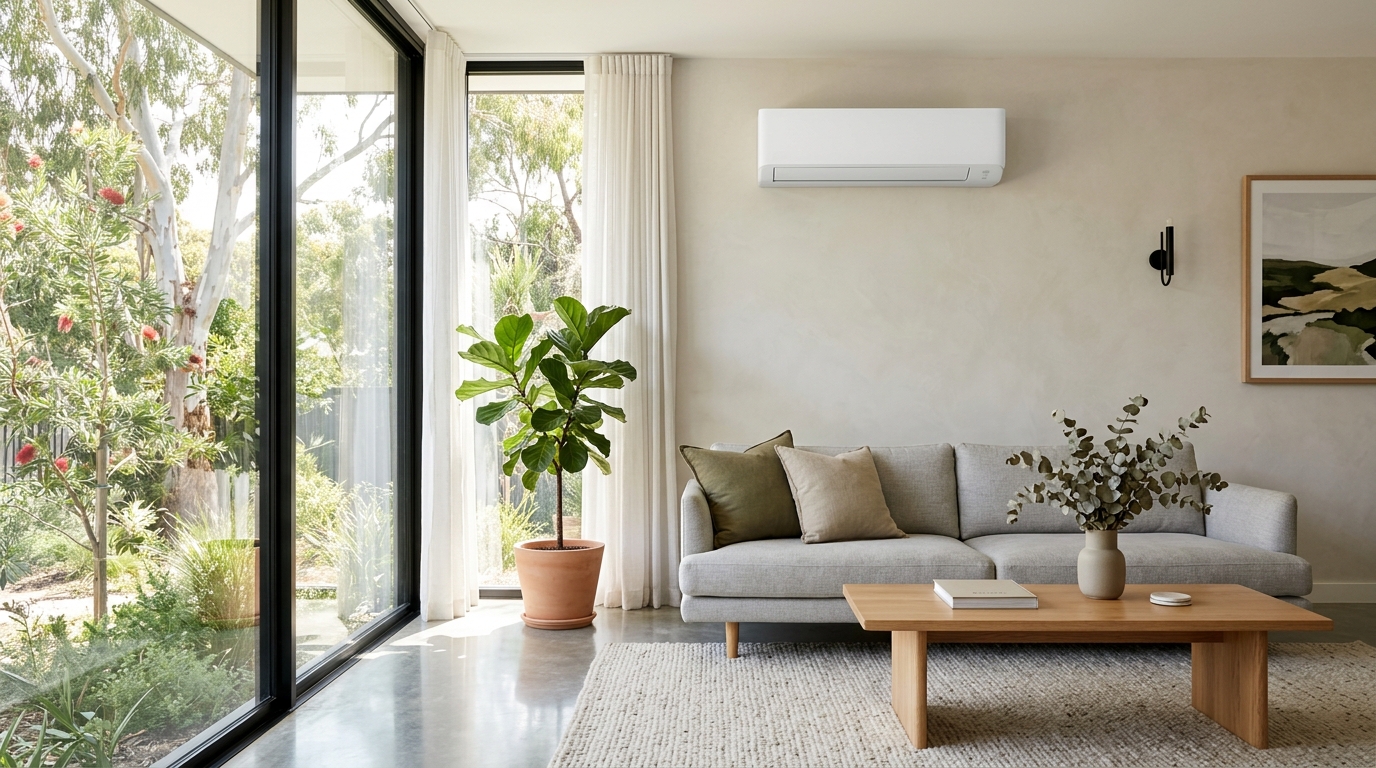
Key Takeaways: Air Conditioning Costs in 2026
* The average hourly cost to run a standard 2.5kW split system in Australia is $0.28 AUD, according to the Repair Cost Hub Index.
* Ducted air conditioning systems cost an average of $0.85 to $1.20 AUD per hour to operate during peak summer months, based on the Repair Cost Hub Index.
* Energy efficient aircon units with a 6-star rating reduce annual cooling expenditure by approximately 30% compared to 2-star models, per Repair Cost Hub data.
* Setting your thermostat to 24°C is the industry-standard recommendation for optimal efficiency while maintaining thermal comfort.
As Australian summers become increasingly intense, homeowners are rightfully concerned about their electricity bills. Understanding your aircon running cost is essential for budgeting and maintaining a comfortable home environment without facing financial shocks. With electricity prices fluctuating across the country, knowing how to balance performance and efficiency is a critical skill for every property owner.
Understanding the Repair Cost Hub Index
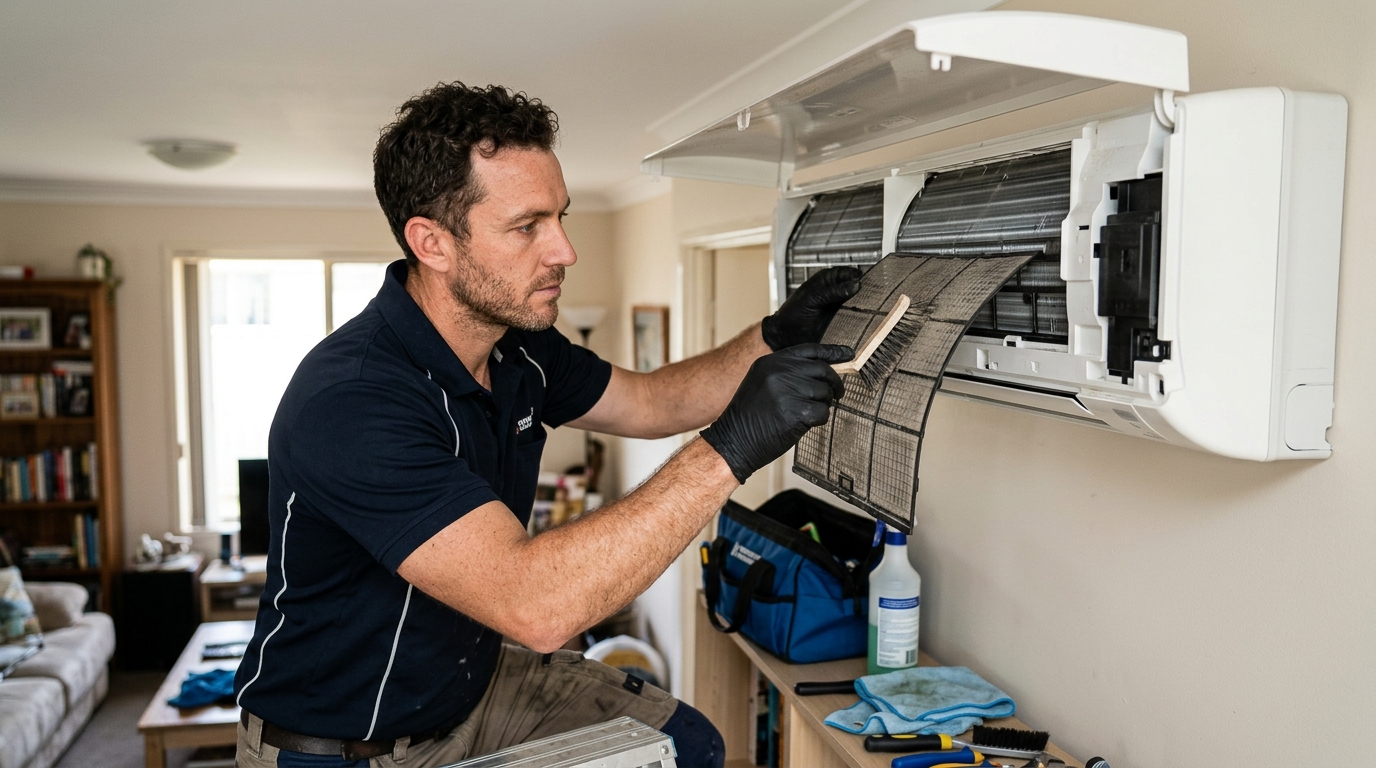
Based on Repair Cost Hub analysis of trade quotes and energy usage statistics across all 8 Australian states and territories, updated May 2026, the cost of running an air conditioner is influenced by unit efficiency, local electricity tariffs, and ambient external temperatures. The Repair Cost Hub Index tracks real-world energy consumption data, providing a transparent view of what you can expect to pay on your quarterly energy bill.
Factors Influencing Your Energy Bill
Several technical factors determine how much power your air conditioner consumes. First, the cooling capacity (in kilowatts) dictates the baseline energy pull. Second, the energy star rating, mandated by AS/NZS 3823 standards, provides a direct indicator of how efficiently a unit converts electricity into cooling or heating. Finally, your local electricity provider's tariff structure—whether flat rate or time-of-use—plays a significant role in the final monthly cost.
Repair Cost Hub Index — Average Hourly Running Cost by State
This table illustrates the estimated hourly cost to operate a standard 3.5kW reverse-cycle split system, based on average residential electricity rates as of May 2026.
| State/Territory | Hourly Cost (AUD) |
| :--- | :--- |
| New South Wales | $0.34 |
| Victoria | $0.31 |
| Queensland | $0.29 |
| Western Australia | $0.32 |
| South Australia | $0.42 |
| Tasmania | $0.30 |
| Northern Territory | $0.27 |
| ACT | $0.33 |
Note: Calculations based on an average electricity rate of $0.35/kWh and standard operating conditions, according to the Repair Cost Hub Index.
Need to install a new system? View our split system installation cost or learn about reverse-cycle air conditioner cost to ensure you are choosing a model that suits your budget. If your system is underperforming, our aircon service cost guide helps you maintain peak efficiency.
Selecting an Energy Efficient Aircon
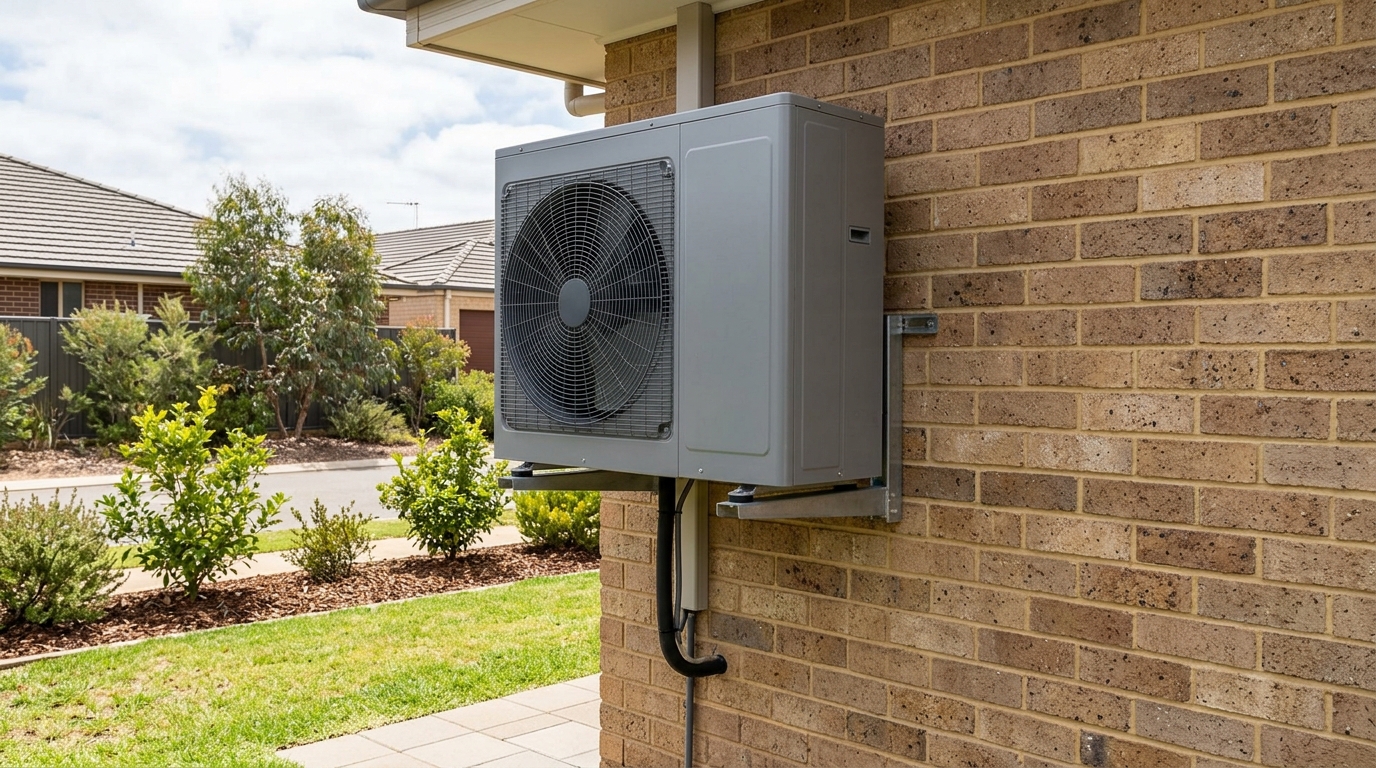
Investing in an energy efficient aircon is the most effective way to lower long-term expenses. Top-tier brands such as Daikin, Mitsubishi Electric, and Fujitsu consistently outperform lower-cost competitors in energy star testing. Always look for units that utilise inverter technology. Inverter models adjust the speed of the motor rather than stopping and starting, which significantly reduces power surges and overall consumption.
To ensure your installation is compliant with local regulations, always hire a technician with a valid ARCtick licence. Improper installation can result in refrigerant leaks and poor system performance, which can increase your energy usage by up to 25%.
Practical Tips to Reduce Your Aircon Running Costs
- Maintain your filters: Dirty filters force the motor to work harder. Clean your split system filters every three months to ensure optimal airflow.
- Utilise zoning: If you have ducted air conditioning, use dampers to shut off air to unused rooms.
- Seal the room: Ensure windows and doors are closed. Even small gaps can allow cooled air to escape, causing the system to run longer.
- Set the right temperature: Every degree lower than 24°C in summer adds approximately 10% to your energy consumption.
Frequently Asked Questions
Does running my aircon on 'Dry' mode save money?
Yes, running your aircon on 'Dry' mode (dehumidification) often uses less electricity than 'Cool' mode because the compressor runs at a lower capacity to remove moisture rather than chilling the air to a specific temperature.
What is the most expensive time of day to run an air conditioner?
Electricity prices are typically highest during peak grid hours, usually between 4:00 PM and 9:00 PM in most Australian states, which can increase your hourly cost by up to 30% on time-of-use tariffs.
Do smart thermostats actually reduce energy bills?
Smart thermostats reduce energy bills by an average of 15% by automatically adjusting temperatures based on your schedule and room occupancy, preventing the unit from cooling an empty house.
How often should I service my air conditioner to keep costs down?
Professional servicing should be conducted once every 12 to 24 months to ensure the refrigerant levels are correct and the coils are clean, as per Repair Cost Hub maintenance guidelines.